As a book enthusiast, libraries hold a special place in my heart. They offer not only a quiet haven for reading but also boast fascinating histories, beautiful architecture, and thriving communities.
In a world where knowledge is power, libraries stand as vital centres of learning with a diverse range of resources, from library books to digital archives.
Personally, I see libraries as spaces for personal growth and development. They offer a serene environment for focused work and study, with designated areas free from distractions. Libraries cocoon ideas, allowing them to flourish and evolve into finished products.
While they are an ideal place to think and innovate, libraries offer more than just workspace; they’re invaluable study resources with comprehensive collections and helpful cataloguing services. Additionally, they play a crucial role in community building by hosting social events and serving as historical landmarks. Overall, libraries are vibrant spaces that enrich lives and shape society through knowledge and heritage.
PRESERVING THE PAST
Knowledge is timeless, as Ralph Waldo Emerson famously noted, “Old knowledge is never wasted; it forms the foundation upon which new wisdom is built.” Libraries play a vital role in preserving this wealth of knowledge from centuries past, enabling civilization to advance both technologically and socio-culturally by drawing from the wisdom of our ancestors.
Libraries are more than just institutions which curate study resources; they are guardians of human history, preserving priceless treasures like ancient manuscripts and rare books. Through careful organization and preservation, libraries ensure that the wisdom of the ages is passed down to future generations. From the Great Library of Alexandria to the Bodleian Library in Oxford, these sanctuaries of learning hold a reservoir of famous literary works that have shaped our society’s culture and identity for centuries.
While libraries like these are celebrated for their rare manuscripts, all libraries deserve recognition for their invaluable service in preserving knowledge and offering society access to a wealth of information.
ADVOCATING FOR ACCESSIBLE KNOWLEDGE
Libraries serve as more than just repositories of knowledge; they are vibrant hubs of community engagement and cultural exchange. Through events like book clubs, cultural activities, and children’s programs, libraries provide a space for people to connect, share interests, and foster social bonds within their communities.
These events bring together like-minded individuals, whether they are book lovers or parents, fostering connections and creating opportunities for social interaction. Libraries not only promote intellectual growth but also facilitate the building of social connections, contributing to societal advancement on multiple levels.
Furthermore, libraries play a crucial role in preserving cultural heritage and historical artefacts for future generations. By safeguarding rare manuscripts, historical documents, and local archives, libraries ensure that the collective memory of humanity remains accessible to all.
FOSTERING COMMUNITY AND CONNECTION
Libraries are more than just repositories of knowledge; they’re vibrant community hubs where people come together to connect, learn, and grow. In addition to providing access to books and resources, libraries host a variety of events and activities that foster social connections and intellectual growth.
From cultural and arts events to book clubs and children’s activities, libraries offer something for everyone. Libraries serve as more than just repositories of books; they are vibrant hubs of community engagement. Events like book clubs and children’s activities provide opportunities for like-minded individuals, such as book lovers or parents, to connect, fostering social interaction and advancing societal progress.
Whenever I need a break from my routine, I love attending the local library’s cultural events. Recently, the British Library hosted a poetry reading by local artists, and it was inspiring to see the community come together to celebrate creativity and expression. These events add a dynamic energy to the library, making it more than just a place to study but a gathering space for shared experiences and connections.
Libraries serve as custodians of our shared history, enriching our understanding of the past and inspiring future generations to learn and explore. By safeguarding rare manuscripts and historical documents, libraries contribute to preserving the collective memory of humanity, enriching the community’s understanding of its cultural identity and history, and strengthening community bonds.
In this way, libraries not only promote intellectual growth but also contribute to the social fabric of communities, fostering connections and creating opportunities for meaningful interaction.
Here are some historically famous libraries that exemplify this commitment to preserving the past:

- Largest library, globally, by shelf space with over 171 million items.
- Collection spans 470+ languages, a true global repository.
- Thomas Jefferson Building: Architectural marvel with intricate designs and iconic murals.

- Holds over 200 million items, including rare manuscripts like the Magna Carta.
- King’s Library Tower showcases 65,000+ printed volumes collected by King George III.
- Home to one of the world’s largest collections of newspapers, spanning three centuries.
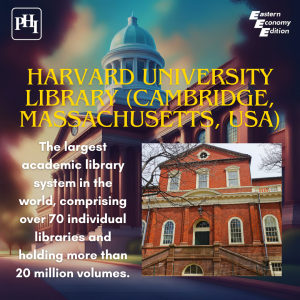
- Comprises 70+ libraries, holding over 20 million volumes.
- Houghton Library: Extraordinary collection of rare books and manuscripts.
- Offers digital collections with historical documents and cutting-edge research.
Raja Ram Mohan Roy Library Foundation, Kolkata:
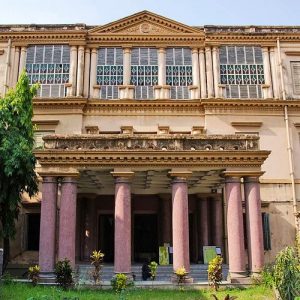
- RRRLF is a pioneer in promoting the library movement across India.
- It was established in May 1972 to spread library services nationwide.
- RRRLF was founded during the International Book Year celebrations of 1972.
LIBRARIANS ENABLE SOCIETAL PROGRESS
Librarians are the unsung heroes of every library, tirelessly working to provide communities with the services needed to advance knowledge and intellectual growth.
Their role goes beyond mere custodianship; they are guides, mentors, and champions of intellectual freedom and discovery. By assisting those who come to the library searching for specific resources or by providing other services such as advising people about which sections to explore, librarians enable intellectual growth for all.
In addition to this vital service to society, librarians also play a critical role in organizing and preserving educational resources, ensuring they are cataloged and stored appropriately for future generations. In doing so, they safeguard our cultural heritage, including rare manuscripts, historical documents, and artifacts. Their meticulous preservation efforts ensure that these treasures remain intact and accessible, enabling us to connect with our past and learn from it.
As someone who frequents libraries often, I’ve come to admire librarians for their unwavering commitment to intellectual freedom. They’re like guardians of diverse perspectives, making sure everyone has access to a wide range of ideas. It’s inspiring to see how they curate collections that spark curiosity and creativity, shaping our community’s thirst for knowledge.
Moreover, their support for students and patrons is invaluable. They’re always there to help us find the resources we need, making sure information is organized and accessible. It’s because of their meticulous efforts that we can explore the wealth of knowledge stored within the library’s walls.
In my eyes, librarians are the unsung heroes of our intellectual journey. They preserve and share humanity’s collective wisdom, ensuring that future generations have the same opportunities to learn and grow.
LOOKING AHEAD
Libraries remain indispensable in our technologically advancing world. While the ways people consume information evolve, the inherent need to document findings and share knowledge ensures libraries’ enduring relevance.
Even as technology changes how we access information, libraries remain crucial. They adapt, becoming digital hubs while still preserving our collective knowledge.
And let’s not forget about librarians—they’re the guides in this ever-changing landscape. They help us navigate through information overload, ensuring we find what we need. Their role in shaping society, from assisting with research to advocating for access, is irreplaceable.
At their core, libraries are more than just buildings—they’re symbols of our quest for knowledge and progress. They’re where communities come together to learn and grow, making them indispensable in our ever-evolving world.